

Outdoor Furniture
Commercial Restaurant Furniture Guide: How to Choose the Right Tables, Bases, and Seating
Apr
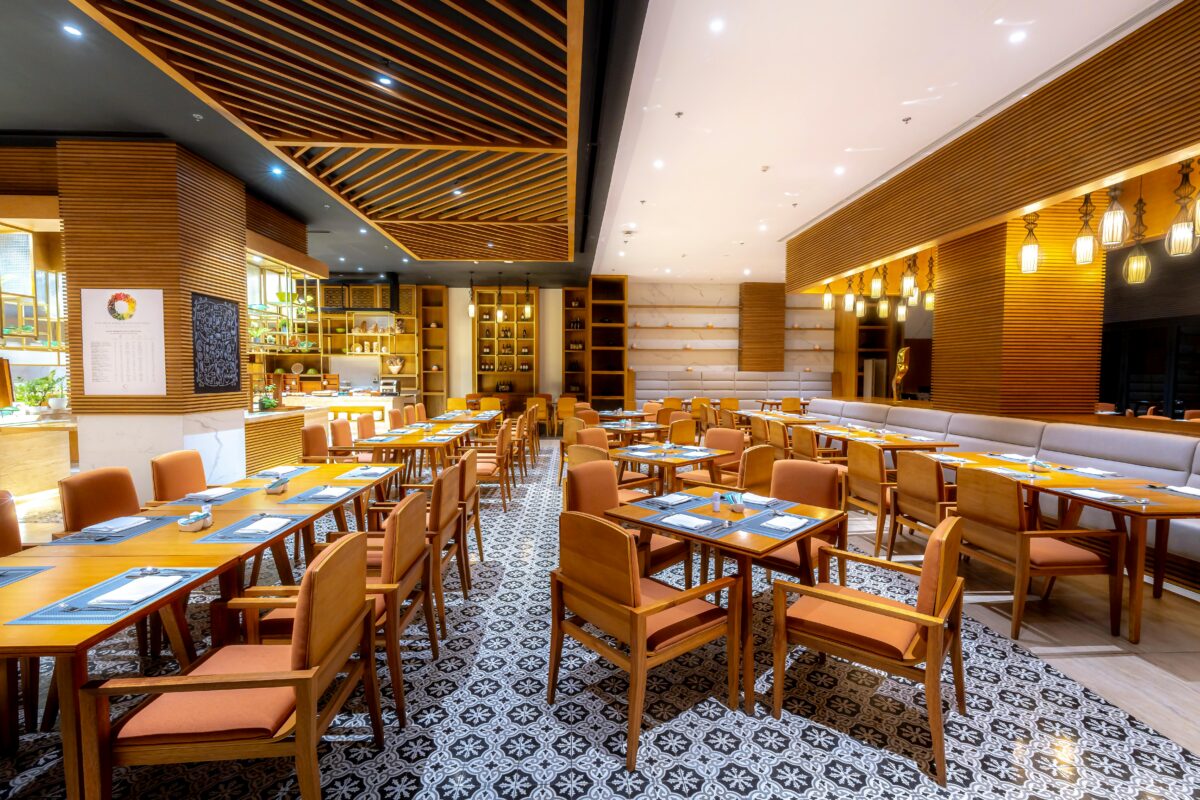
Choosing the right furniture affects every aspect of a restaurant, from how comfortable guests are to how smoothly service flows. At Bistro Tables & Bases, we have helped restaurants find the right commercial-grade solutions. In this commercial restaurant furniture guide, we share how to choose tables, bases, and seating that support your brand and daily operations.
Furniture decisions influence your bottom line. They affect table turnover, guest comfort, and how easily staff move through the space. Thoughtful choices now help prevent avoidable operational issues later.
How to Choose Restaurant Furniture for Function and Experience
Understanding how to choose restaurant furniture starts with its role in both operations and guest experience. Each piece affects traffic flow, pacing, and overall satisfaction.
Table turnover helps guide early decisions. Fast-casual concepts benefit from slightly firmer seating and smaller tables that support efficient dining. Fine dining calls for more spacious tables and cushioned seating that encourage guests to settle in.
Every selection should reflect your brand while holding up to daily use. Commercial-grade furniture often costs more upfront, yet it delivers stronger long-term value through fewer replacements.
Start With Your Layout and Floor Plan
Before you order anything, make sure you measure your space thoroughly. We suggest making scale drawings that show columns, doors, service stations, and exits. Placement is affected by each element.
Pay great attention to walkways. The Americans with Disabilities Act (ADA) requires at least 36 inches of space, but most businesses prepare for 42 to 48 inches to make sure that service flows smoothly. Tight spacing slows staff and creates congestion during busy hours.
Layout choices depend on your concept:
- Compact dining increases revenue per square foot but requires precise spacing
- Round tables reduce bump points and work well in tighter layouts
- Open plans offer flexibility, but benefit from defined zones created through furniture placement
Choosing the Right Tables, Bases, and Seating
Here are some tips when choosing tables, bases, and seating.
Table Tops That Match Your Concept
Material choice sets the tone for your space. Wood surfaces bring warmth and character, making them a strong fit for traditional or farm-inspired concepts. They can be refinished, though they require more upkeep.
Laminate offers practical value for high-volume settings. It resists stains, scratches, and heat while keeping costs manageable. Many designs replicate natural materials, giving you the vibe you want at a lower price point.
Sintered stone stands out for its durability. It resists heat, scratches, stains, and UV exposure. The upfront cost is higher, though these tops easily withstand the test of time and repeated use.
How to Pick the Right Table Base
Knowing how to pick the right table base helps you find stable bases that limit safety concerns. Proper sizing keeps tables balanced and secure.
Follow standard sizing guidelines:
- Round tops up to 30 inches pair well with a single pedestal
- Larger tops need dual pedestals or four-leg frames
- Base width should cover at least one-third of the tabletop diameter
Indoor bases focus on stability and appearance. Cast iron provides a classic look and strong support, while powder-coated steel offers a lighter option. Outdoor bases should have a coating that helps resist corrosion. Wind stability is another factor to consider. Aluminum and weighted designs are reliable choices.
Seating That Supports Comfort and Turnover
Seating affects both comfort and pacing. Standard seat height sits around 18 inches, with back support that encourages a comfortable but efficient dining experience.
Bar seating creates a different rhythm than standard tables. Counter-height options suit casual spaces with quicker turnover. Traditional dining heights support longer meals.
Look for commercial-grade construction features:
- Reinforced joints
- Durable upholstery
- Weight ratings above 300 pounds
- Designs built for frequent daily use
Indoor vs Outdoor Furniture: Different Rules, Different Materials
Indoor furniture avoids weather exposure but still faces heavy use. This allows more flexibility in materials and design. Focus on comfort, style, and ease of cleaning.
Outdoor furniture must handle the elements, along with everything indoor furniture faces. Aluminum resists rust and is easy to move. Wrought iron offers weight and stability, though it needs protective finishes. Sintered stone performs well outdoors due to its resistance to the sun and moisture.
Indoor furniture requires routine cleaning and periodic tightening. Outdoor pieces need deeper cleaning, protective care, and storage options when conditions are harsh
How to Match Furniture to Your Restaurant’s Theme
Furniture should reflect your brand clearly and consistently. Industrial spaces often pair metal with wood for contrast. Upscale settings lean toward refined materials and tailored seating.
Your audience also shapes your choices:
- Family-focused spaces benefit from durable, easy-to-clean materials
- Business dining calls for comfortable seating and tables that accommodate work needs
- Casual concepts require a balance of comfort and efficiency
Select Materials That Fit Your Concept
Material performance depends on where and how pieces are used. High-traffic areas need stronger finishes than quieter corners. Cleaning plays a role in daily efficiency. Smooth, non-porous surfaces allow for faster turnover. Textured materials may require more effort to maintain.
Design Elements That Elevate Your Space
Color choices help unify your space. Neutral tones allow flexibility, while bold colors make a stronger visual statement but may limit future updates.
Texture adds depth. Pair smooth and textured finishes for contrast without overcomplicating the design. Too many materials can feel busy, while too few can feel plain.
Table shapes influence both use and appearance:
- Round tables support conversation and adapt to uneven spaces
- Square and rectangular tables maximize capacity and simplify layouts
- Mixed formats add visual interest while maintaining function
Balancing the Budget Without Compromising Quality
Lower-cost options often lead to higher long-term expenses. We recommend prioritizing high-use items such as chairs and primary tables.
Ordering in bulk can help you save, too. Many manufacturers offer upgrades or discounts for bulk purchases. Consistency across your space also makes maintenance easier.
Evaluate cost over time. Consider durability, upkeep, and guest experience rather than focusing only on initial pricing.
Common Mistakes to Avoid When Choosing Restaurant Furniture
Overlooking layout limitations can disrupt operations. Furniture that works in a showroom may not fit your space effectively. Here are some common mistakes to consider:
- Prioritizing style at the expense of durability
- Pairing mismatched bases and tops
- Overcrowding the dining area
- Choosing materials that are difficult to maintain
- Underestimating wear and tear
Commercial Restaurant Tables and Chairs for Sale: What to Look For
When reviewing commercial restaurant tables and chairs for sale, focus on true commercial-grade construction. These products meet higher standards than residential furniture.
Check weight capacity ratings to gauge strength. Most commercial chairs support at least 300 pounds, with many rated higher. Strong frames rely on reinforced joints and industrial adhesives.
Supplier reliability matters. Established vendors offer consistent product lines, replacement parts, and clear warranty terms.
Warranties also provide some insight into quality. Structural coverage often ranges from five to 10 years. Review details to understand what is included.
Design Details That Define Quality Approaches
Contract-grade materials support long-term performance. Reliable suppliers use components tested through repeated use across many installations.
Strong pricing can still reflect quality. Direct sourcing and efficient operations help keep costs competitive without sacrificing performance.
A well-rounded selection should support a range of concepts. Each piece should meet practical needs while contributing to a cohesive look. Thoughtful furniture choices help restaurants run efficiently and create positive guest experiences.
Final Thoughts
Successful furniture selection requires balance. Function, durability, design, and cost all play a role.
We view furniture as a long-term investment. Well-made pieces reduce maintenance, limit replacements, and support a better guest experience.
Take time to evaluate your options. Visit showrooms, review samples, and observe how furniture performs in active restaurants. The team at Bistro Tables & Bases is here to help you find the right options for your restaurant. Browse our selection today, and contact us with any questions.
